
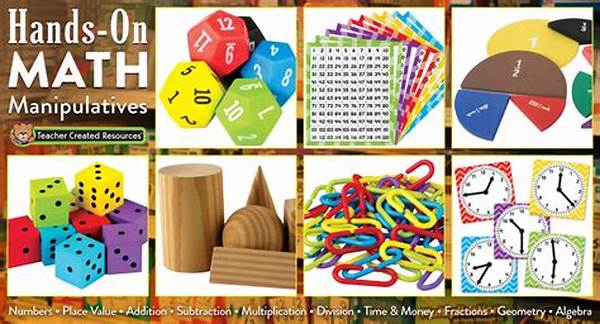
- The Simple Math: Using Hands-on Materials to Teach Basic Numeracy Concepts!
- Engaging the Senses Through Tactile Learning
- Structure for Teaching Basic Numeracy Through Hands-on Materials
- Essential Elements of Hands-on Math Education
- Understanding the Utility of Hands-on Learning Tools
- The Simple Joy of Learning: A Discussion
- The Enlightening Journey to Math Understanding
- Practical Tips to Teach Numeracy Using Hands-on Materials
- The Lifelong Benefits of Interactive Math Education
The Simple Math: Using Hands-on Materials to Teach Basic Numeracy Concepts!
In a world where screens have taken over our lives and digital learning is the new norm, there’s something refreshingly tangible about teaching math using hands-on materials. Whether you’re a parent, teacher, or tutor, the method is like a magic trick that makes numbers less intimidating and more interactive. Picture this: a classroom where children are not just passive receivers but active participants, touching, feeling, and playing with math. The notion of “the simple math: using hands-on materials to teach basic numeracy concepts” moves beyond traditional teaching, inviting learners to explore numbers with a sense of curiosity and delight. In a landscape cluttered with apps and online resources, this approach feels like a throwback—albeit a revolutionary one—that truly works wonders.
Read More : Hidden Benefits: Check Your Mood! How A Montessori Home Reduces Parental Stress!
Imagine a child struggling with the concept of fractions. Now imagine that same child being handed a pizza cut into slices. Suddenly, fractions aren’t just numbers on a page; they become something the child can see, touch, and yes, even taste. This is the simple math: using hands-on materials to teach basic numeracy concepts, turning abstract ideas into concrete understanding. Not to mention, it’s a lot more fun than staring blankly at a textbook. It’s the “ah-ha” moment when a child finally understands that 1/2 is the same as two 1/4 pieces. This kind of learning sticks, and it’s not just fractions—addition, subtraction, multiplication, and division can all be turned into engaging activities.
The beauty of this teaching method lies in its versatility. Need to explain multiplication? Think blocks stacking neatly. Want to make subtraction clearer? Removing toys from a visible heap can be a game-changer. It’s hands-on, sure, but it’s also brains-on! This method engages multiple senses, making it ideal for kinesthetic learners who thrive on movement and touch. No wonder educators and parents alike are starting to champion the cause of “the simple math: using hands-on materials to teach basic numeracy concepts.” It’s not just an educational theory; it’s a full-blown, three-dimensional experience.
So, why stick to boring worksheets when you can bring math to life? Why not spice up the learning environment with engaging and exciting ways to teach basic numeracy? With hands-on materials, math isn’t just a subject that kids have to endure; it’s a new world waiting to be discovered. If you’re ready to ditch the screen (at least for a little while) and dive into some tactile teaching, you’re in the right place. Let’s explore the endless possibilities and let curiosity lead the way in discovering the world of numbers.
Engaging the Senses Through Tactile Learning
Teaching math through hands-on materials is not just about the materials themselves but about the immersion into the subject. It’s about experiencing math through different senses and making the learning journey enjoyable and stimulating, especially for young minds. The simple math: using hands-on materials to teach basic numeracy concepts taps into children’s natural inquisitiveness and need for physical activity, making it a holistic educational approach.
By incorporating elements that children can physically manipulate, educators and parents provide context to otherwise abstract concepts. Picture colorful beads strung together to make algebraic patterns, tangible shapes demonstrating geometric concepts, and interactive games that simplify complex calculations. It’s a tactile adventure into the mathematical world, providing real-world relevance and understanding.
—
Structure for Teaching Basic Numeracy Through Hands-on Materials
The effectiveness of “the simple math: using hands-on materials to teach basic numeracy concepts” relies heavily on structure—a carefully developed methodology that balances fun and education. But how do we implement this strategically to ensure maximum engagement and understanding?
1. Foundation of Hands-on Learning
Setting the stage for hands-on learning begins with understanding the basics. It involves curating a set of materials that are age-appropriate and goal-oriented. Research indicates that children develop better mathematical understanding when they can physically manipulate objects related to the concepts they are learning. As an introductory step, using colorful counting blocks to teach numbers or employing simple tools like abacuses can lay an excellent foundation for deeper exploration into numeracy.
2. H2: Building Engagement with Creativity
At the heart of effective education is creative engagement. To truly capture the interest of young learners, hands-on materials should be incorporated into creative play. From puzzle pieces that form a number line to construction sets that illustrate mathematical principles, the creative applications are boundless. By transforming math into a game rather than a chore, educators can ignite a passion for numbers that persists.
3. H3: Assessing Progress with Visible Milestones
Monitoring student progress in a hands-on learning environment is not just about standardized tests. It’s about observing real-time indicators of comprehension as students interact with their tactile tools. Teachers can gauge understanding by posing challenges or puzzles that require learners to demonstrate their learning outcomes. Assessment becomes a dynamic process, where seeing a child solve a problem with blocks or tangible items offers immediate feedback on their grasping of numeracy concepts.
In a fast-paced, tech-driven world, “the simple math: using hands-on materials to teach basic numeracy concepts” offers an alternative that captivates and promotes real understanding. It’s an investment in children’s futures as it empowers them with critical thinking and problem-solving skills essential for the journey ahead.
Essential Elements of Hands-on Math Education
Elevating math education through tangible materials isn’t just about using physical objects but understanding the practical application in everyday life. Hands-on learning ensures that students are not merely memorizing numbers but associating them with real-world contexts.
The true merit of “the simple math: using hands-on materials to teach basic numeracy concepts” lies not only in engaging young minds today but in preparing them for a world where analytical skills are paramount. It’s about inspiring a lifetime love for learning and curiosity. This unique teaching approach paves the way for a generation that isn’t just competent in math but confident in its application.
Understanding the Utility of Hands-on Learning Tools
The practical application of hands-on materials in teaching numeracy cannot be overstressed. We’re looking at a revolution in teaching methodology where pupils actively dive into the learning process. Here are ten detailed aspects that make the simple math: using hands-on materials to teach basic numeracy concepts a standout approach:
The Simple Joy of Learning: A Discussion
Math is often seen as the bogeyman of education—a fearsome subject that lurks in the corner of every classroom, ready to trip up unsuspecting students. Yet, what if there was a way to demystify math, to transform it from a looming specter into a friendly guide? More educators and parents are embracing “the simple math: using hands-on materials to teach basic numeracy concepts,” a teaching model that replaces fear with fun.
Hands-on learning fits neatly within this context. It delivers knowledge not as a monologue but as an interactive dialogue between students and their tactile learning environment. This method breeds a sense of agency and achievement in learners, motivating them to engage deeper with mathematical concepts. Infusing humor and creativity into lessons makes them more relatable and less intimidating.
Moreover, research supports the efficacy of this method. It shows a marked improvement in comprehension and retention rates among students exposed to hands-on mathematics. With numeracy being a critical skill required in virtually every profession, the early adoption of such engaging methods ensures a robust foundation for future learning.
Despite its simplicity, this approach requires commitment and creativity from both educators and parents. It’s an invitation to step outside the traditional classroom boundaries and embrace a more dynamic form of learning. By weaving math into everyday life in this way, number-based anxiety can be reduced, leading to a more relaxed and confident attitude toward the subject in the long run.
The Enlightening Journey to Math Understanding
Instilling a love for math from a young age can shape mindsets and ignite lifelong learning. Imagine a future where numbers lead to endless possibilities and opportunities. The tactile approach opens doors to such a reality, turning math from a feared subject to a realm of discovery and amusement.
Parents and educators across the globe are welcoming the positive impact of the simple math: using hands-on materials to teach basic numeracy concepts. By focusing on interactive execution, this method redefines education, making math exciting and accessible to all.
Engaged Learning: A Teacher’s Best Ally
The use of tangible artifacts to communicate and interpret math concepts is a boon. As children become active learning participants, they accumulate not just knowledge but also the confidence to navigate life’s arithmetic demands skillfully. Employing a range of fun and inventive teaching tools challenges the mind, sparking imagination while developing analytical skills.
Ultimately, the simple math: using hands-on materials to teach basic numeracy concepts turns learning into an adventure—a novel experience that motivates and invites deeper exploration into the realm of numbers. With enthusiasm, math becomes less about rules to memorize and more about puzzles to solve. This is the transformative power of innovative education, blending the past with modern pedagogical practices to create an enriched learning environment for children everywhere.
—
Practical Tips to Teach Numeracy Using Hands-on Materials
Discovering the power of tactile learning in math education is just the beginning. As you delve deeper into “the simple math: using hands-on materials to teach basic numeracy concepts,” keep these valuable tips in mind:
The Lifelong Benefits of Interactive Math Education
The lasting impact of tactile math education is substantial. By closing the gap between theory and real-world application, hands-on learning encourages exploration and creativity in students—a crucial catalyst for personal and academic growth. These practices equip students to face future challenges confidently and with a problem-solving mindset, integral for success in any field.
In adopting “the simple math: using hands-on materials to teach basic numeracy concepts,” you are crafting an educational journey this is as engaging as it is enlightening. It’s an invitation to experience math not as an obstacle but as an opportunity, enabling students to look beyond numbers and see the patterns of life. Understanding, comprehension, and application—these are the ultimate goals of education and the gifts of tactile-based learning.