
Creating a comprehensive article collection on “how to potty train toddlers” requires a multifaceted approach, where each piece serves a distinct purpose from storytelling to factual analysis. Below, you’ll find structured content including articles, a discussion list, explanations, and short content pieces to address various aspects of this topic.
Read More : How Old Are Toddlers
—
Potty training—a milestone that marks the transition from babyhood to little kid status—is both thrilling and challenging for parents. The “how to potty train toddlers” journey can be filled with laughter, missteps, and eventual victories. For those diving into this task, having the right mindset, strategies, and a sense of humor can make all the difference.
Potty training is an art more than a science. Each toddler has an individual timeline and unique quirks, meaning parents often need to tailor their approach. Some parents capture this journey with amusing stories, while others stick to the facts like a seasoned journalist investigating a breaking news story. Whichever your style, keeping these techniques digestible and engaging is key.
Enthusiasm and patience are the orders of the day. The transitional nature of potty training isn’t just about diapers to underwear; it’s about nurturing autonomy and self-assuredness in your little one. It’s like marketing a new idea where the client, your toddler, is curious yet hesitant. Here, testimonials from experienced parents can be persuasive: “I tried cheering for every potty attempt, just like a sports commentator, and it worked wonders!”
The Steps to Potty Training Success
1. Timing is Everything
Every parent knows that picking the right moment is crucial. According to experts, most children are ready between 18 and 24 months, but readiness can extend to age 3 or beyond. Watch for signs of interest and willingness—without pressure.
2. The Right Equipment
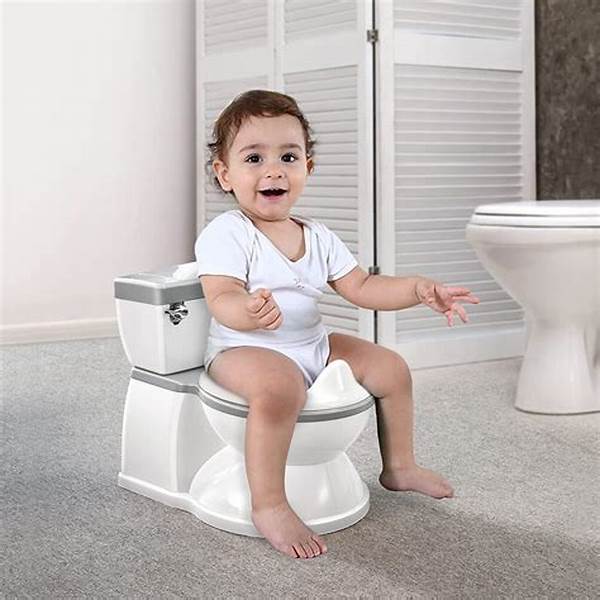
Choosing a potty chair with entertaining features can spark a toddler’s interest. It’s like picking out a shiny new gadget—kids love it when the loo has bells and whistles.
3. Encourage and Celebrate
Positive reinforcement encourages successful potty visits. It’s the equivalent of a motivational speaker rallying their audience to realize their fullest potential.
4. Expect the Unexpected
Accidents happen, and it’s essential to approach mishaps with patience and humor. Remember, legendary brands didn’t rise to fame without a few blunders along the way.
Encouragement for Parents
Hang in there, enjoy the quirks of this journey. You’re not just training a toddler; you’re embarking on a marketing campaign fueled by love, laughter, and lifestyle changes.
How to Start Potty Training Toddlers
Teaching your toddler to use the potty is a significant milestone, akin to walking or talking. It involves not just the child but an entire support team rallying from the sidelines. This leap is more about gently guiding them toward the desired task.
Parenting blogs are packed with horror stories of toddlers refusing to start or hitting roadblocks. However, how to potty train toddlers isn’t a one-size-fits-all process. Many parents feel the tension and pressure that comes with such a big step, but with strategic tips and tricks, this can transform from a daily struggle to a series of mini wins that encourage further progress.
Tips for Potty Training Toddlers
1. Keep it Light and Fun: Casual, game-like approaches often work best. Transform the potty into a pirate ship or a princess tower—engage their imagination to take the fear out of the equation.
2. Routine is Key: Consistency breeds familiarity and confidence.
3. Praise and Reward: When toddlers succeed, simple rewards like stickers or extra storytime can be motivating.
4. Stay Committed: Just like creating a viral marketing campaign, persistence is crucial.
5. Adaptability Rules: If one strategy doesn’t work, don’t hesitate to switch tactics.
Purpose of Potty Training Content
The goal here is to demystify the process and offer a reassuring perspective. Articles cater not only to the process but to the emotional journey, resources, and brilliant anecdotes that support every parent learning how to potty train toddlers.
In these articles, we explore diverse perspectives from professional advice to parent-tested tips. Statistics involving average age and methods are discussed, and firsthand testimonials offer insights and encouragement. This content is not just informative; it blazes through myths invalidating parents’ individual experiences and understanding.
The Realities of Toddler Training
Crafting a safe and understanding space for toddlers during potty training can be the difference between success and stress. A supportive environment encourages toddlers to experiment without fear of failure.
Unleashing insights from pedagogues, insightful parents, and even child psychologists, this content empowers parents to approach the task with creativity, courage, and a smile.
Your narrative should make the content compelling and enriching, drawing readers with emotional stories that resonate and rational approaches that validate.
Overall, each piece aims to educate while entertaining, turning the how to potty train toddlers challenge into a shared journey. Embracing humor and the occasional chaotic mishap represents the parent-child bond beautifully.