
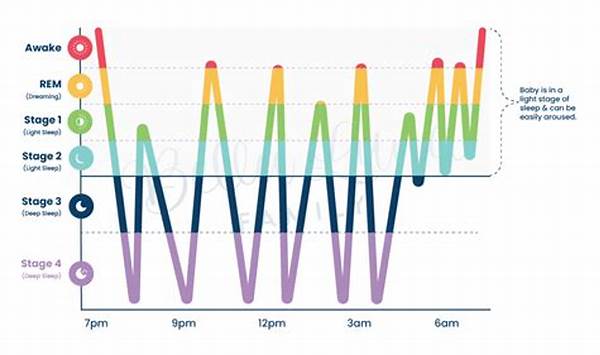
Navigating a baby’s sleep schedule can be as unpredictable as weather forecasts, yet more essential than your daily cup of coffee. As new parents, diving into the concept of the baby sleep cycle can feel like embarking on an epic quest. The sheer mystery surrounding when your baby will sleep through the night, or nap at all, keeps many up at night—literally. But fear not; understanding the baby sleep cycle can open the doors to better sleep for both baby and parent.
Read More : Swaddling Comfort Mimics Womb For Better Infant Sleep
A baby’s sleep cycle is quite different compared to that of adults. While we typically have longer, consolidated sleep phases, babies have shorter sleep cycles. This means they spend less time in deep sleep and more in lighter sleep phases. What’s the silver lining in all of this? The baby sleep cycle is nature’s way of ensuring that infants wake frequently for feedings and other biological needs. It’s an evolutionary strategy that supports survival, yet it requires parents to adapt and muster a truckload of patience.
Despite the challenges, understanding these cycles can offer immense relief. When parents grasp the nuances of the baby sleep cycle, they can better anticipate their child’s needs and develop appropriate strategies. In fact, many parents share testimonials of improved sleep after familiarizing themselves with how the baby sleep cycle works. As one sleep-deprived father humorously noted in an online forum, “Knowing when my baby will wake feels like unlocking the mysteries of the universe—the sense of accomplishment is nothing short of heroic.”
The Science Behind Baby Sleep Cycles
The baby sleep cycle generally comprises REM (Rapid Eye Movement) and NREM (Non-Rapid Eye Movement) phases. Newborns spend about 50% of their sleep time in REM, which is crucial for brain development. As they grow, the structure of these cycles begins to change. By six months, babies start to experience longer stretches of NREM, much to the delight of their weary parents.
The transition to more predictable sleep cycles often ignites deep interest among parents. And rightfully so—mastering your baby’s sleep schedule can feel like winning a lifetime supply of parent medals. The desire to provide a nurturing environment where a baby can sleep soundly turns into action when parents begin to learn sleep cues and identify triggers that disrupt sleep. Whether it’s a colossal reward of 10 straight hours of sleep or the laugh-inducing stories of sleepless adventures shared with friends, understanding the baby sleep cycle can be transformative.
Understanding the baby sleep cycle is not just a task to tick off in the adventure of parenting, but a journey filled with laughter, trials, and most importantly, a path to improved health and mood for everyone involved. Setting clear goals when it comes to achieving harmony with baby sleep is essential.
To unravel the mysteries of the baby’s sleep needs, parents first need to capture attention with knowledge. Retired sleep consultants, pediatricians, and seasoned parents all agree on the power of education when it comes to dealing with sleep cycles. Attentive learning about baby sleep cycle transforms the frantic nights into a platform for curiosity and discovery.
The next goal is to cultivate interest. It’s not enough to just understand what baby sleep cycles are; delve deeper into the significance. Why does your baby wake every two hours? How does this cycle ensure their brain development and overall growth? Such inquiries ignite a passion for parenthood’s educational aspect.
Desire naturally follows once you comprehend the importance of these cycles. The wish for peaceful nights grows stronger than any midnight coffee craving. Parents begin to yearn for consistent patterns, where setting an early bedtime routine becomes the norm—not the exception.
With the converging action, parents start implementing techniques like pre-sleep rituals and creating silent environments to nurture better sleep cycles. The changes do not occur overnight but with time and effort, the results manifest, leading to more serene nights. Testimonials from parents who have undergone sleep coaching illustrate that just a few tweaks can revolutionize how a family experiences rest.
Baby Sleep Cycle Strategies
The following strategic goals can shape the course of sleep journey:
1. Create a Sleep-Inducing Environment: This goes beyond the basics of a comfortable crib and dimmed lighting. It requires understanding your baby’s sensory preferences—each child is unique.
2. Consistency in Rituals: This is the sine qua non of facilitating sleep in alignment with the baby sleep cycle. Bath time, storytime, or bedtime with a lullaby become crucial signals that prepare your baby for sleep.
3. Patience and Perseverance: New parents often humorously quip that sleep rigidity equals sanity. As comforting as it might be to follow a fixed routine, flexibility is sometimes necessary. This is not a one-size-fits-all plan, but a customizable journey.
Supporting Your Baby’s Sleep Cycle
Your understanding and management of the baby sleep cycle can drastically affect household harmony. Think of it like conducting a sleep concert, where your leadership feels both exhilarating and daunting. Set clear goals, and remember that every small success deserves a celebration—whether it’s an extra thirty minutes of rest or just witnessing a stress-free bedtime.
Baby Sleep Cycle in Practice: Try introducing soothing sounds or white noise for a trial period. Record any changes and tweak your methods. A small rhythmic hum can often work wonders, as many parents confirm euphorically.
Summaries Related to Baby Sleep Cycle
Delving into the baby sleep cycle isn’t just a necessity—it’s an art form demanding creative solutions with a sprinkle of humor. The cycle, much like a long-standing romance, requires understanding, patience, and communication. It’s fascinating to consider how parents collectively become detectives, uncovering the nuances of these sleep patterns with the fervor of a thrilling mystery novel. It raises the question of whether sleep should be a skill taught, rather than intuitively known.
While biology dictates certain waking phases, external factors like environment play equally critical roles. Imagine trying to lull yourself to sleep amidst a rock concert—certainly not the ideal setting. This analogy brings to light how seemingly trivial factors can disrupt a baby’s delicate sleep cycle, emphasizing the importance of controlled environments.
The discussion doesn’t end here. Technology is advancing, offering devices that promise to decode these cycles into easy-to-understand formats for exhausted parents. There are apps designed to inform, guide, and provide analytics on how to best support your baby’s sleep. However, with this digital evolution, the debate arises: do these tools aid or cause overreliance in something inherently natural? As humorous as this may seem, a future where babies wear fitness trackers could be approaching, proving that the baby sleep cycle remains an area ripe for exploration and innovation.
Tips for Navigating the Baby Sleep Cycle
Discover the roadmap to a peaceful sleep journey with these effective tips:
Finding tranquility in this sleep adventure requires perseverance and patience, two honorary badges all parents eventually earn. Humor becomes an invaluable tool along the way.
Understanding baby sleep cycles is akin to cracking a complex code. With a myriad of changes occurring rapidly, deciphering the right approach can be challenging, yet rewarding. A crucial aspect is recognizing the rapid transitions between sleep stages. Generally, newborns function on shorter cycles than adults, leading to more frequent awakenings. Such frequent disruptions can initially bewilder parents, turning the pursuit of rest into a top priority.
Investigating Baby Sleep Cycles
Through understanding transitions between REM and NREM sleep, parents can better prepare for nighttime schedules. Between exploration, research, and trial-and-error, parents create a customized, harmonious sleep approach. Blend insights from pediatricians with personal observations of your baby’s cues to develop a personalized strategy.
Baby Sleep Cycle Solutions
To crack this code, creative strategies become essential. Parents can begin by cultivating a consistent pre-sleep ritual, which signals the transition from wakefulness to sleep. Incorporating soothing activities like a gentle bath or a bedtime story can create an atmosphere conducive to restful sleep.
Promotional efforts like discounts on sleep consultant services often lead to parent testimonies praising newfound insights. Others find value in specialty baby mattresses that promise enhanced sleep quality.
Inner growth accompanies this sleep journey, where parents learn flexibility in the face of evolving sleep needs. Gradually navigating this intriguing cycle opens rewarding possibilities, ensuring serene nights. Exploring pertinent resources can transform the baby sleep cycle experience from daunting to enlightening.
Emotions and Baby Sleep Cycles
It’s essential to appreciate the emotional components underlying sleep. Every parent understands those desperate mornings—overflowing coffee cups amidst whimpering wakes. Understanding baby sleep cycles allows parents to refill their energy cup during peaceful nights, nurturing both physical and emotional well-being.
Armed with profound knowledge, readers hold the key to restorative sleep, encompassing love-delivered care packages customized with heart-warming laughs and cherished bedtime moments. Embrace the baby sleep cycle wholeheartedly—it guarantees fascinating stories to share in life’s growth-themed album.
—
These comprehensive strategies provide insights into the vital realm of baby sleep cycles. Through dedication, humorous perspectives, and innovative techniques, the journey becomes transformative—turning mystery-filled nights into awe-inspiring parenting triumphs. Sleep tight, and dream of ending the elusive pursuit from restless to restful nights.